Cats are often described as independent animals that live “on their own terms.” But research from recent decades shows that feline memory is more complex than it may seem. A cat does not simply remember where the food bowl is or who opens the refrigerator. Cats are capable of retaining information about objects, voices, places, people, and even specific events.
It is important to note from the start that cat memory has been studied less extensively than dog memory. Still, the existing evidence allows us to speak about several types of feline memory: working memory, spatial memory, social memory, and memory for events.
Working Memory: Cats Remember, But Not for Long
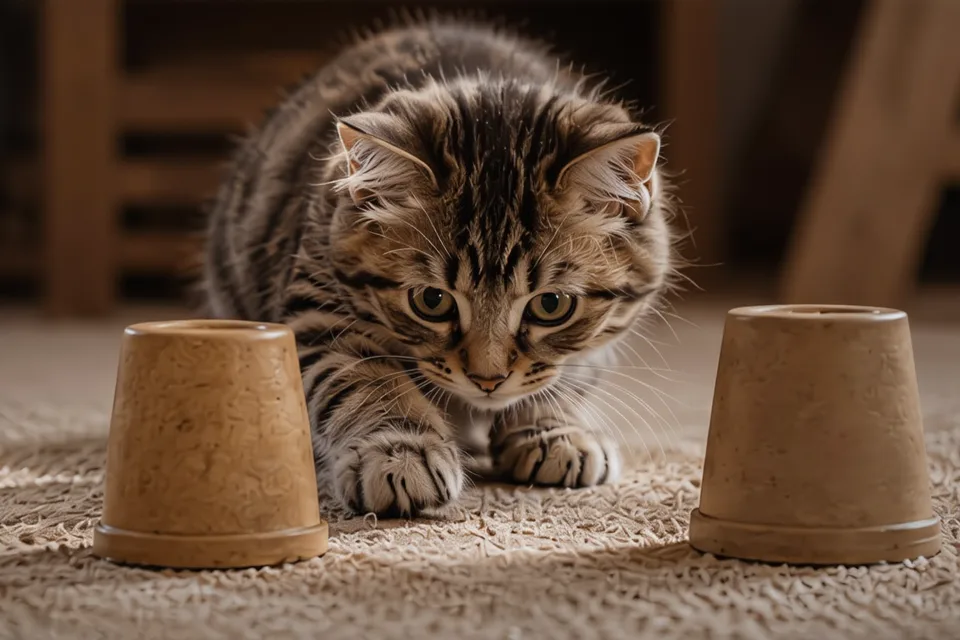
One of the basic types of memory is working memory. This is the ability to hold information in mind for a short period of time – for example, remembering behind which box a toy or treat has been hidden.
In a study by Fiset and Doré, cats were trained to search for a desirable object hidden behind one of several boxes. The researchers then tested whether the cats remembered the location after different time delays. Accuracy dropped quickly between 0 and 30 seconds, but remained above chance level even after a delay of up to 60 seconds.
This suggests that cats do have short-term memory, although it depends on the situation and can fade quickly if the task is not meaningful enough for the animal.
Social Memory: Voices and Names Matter
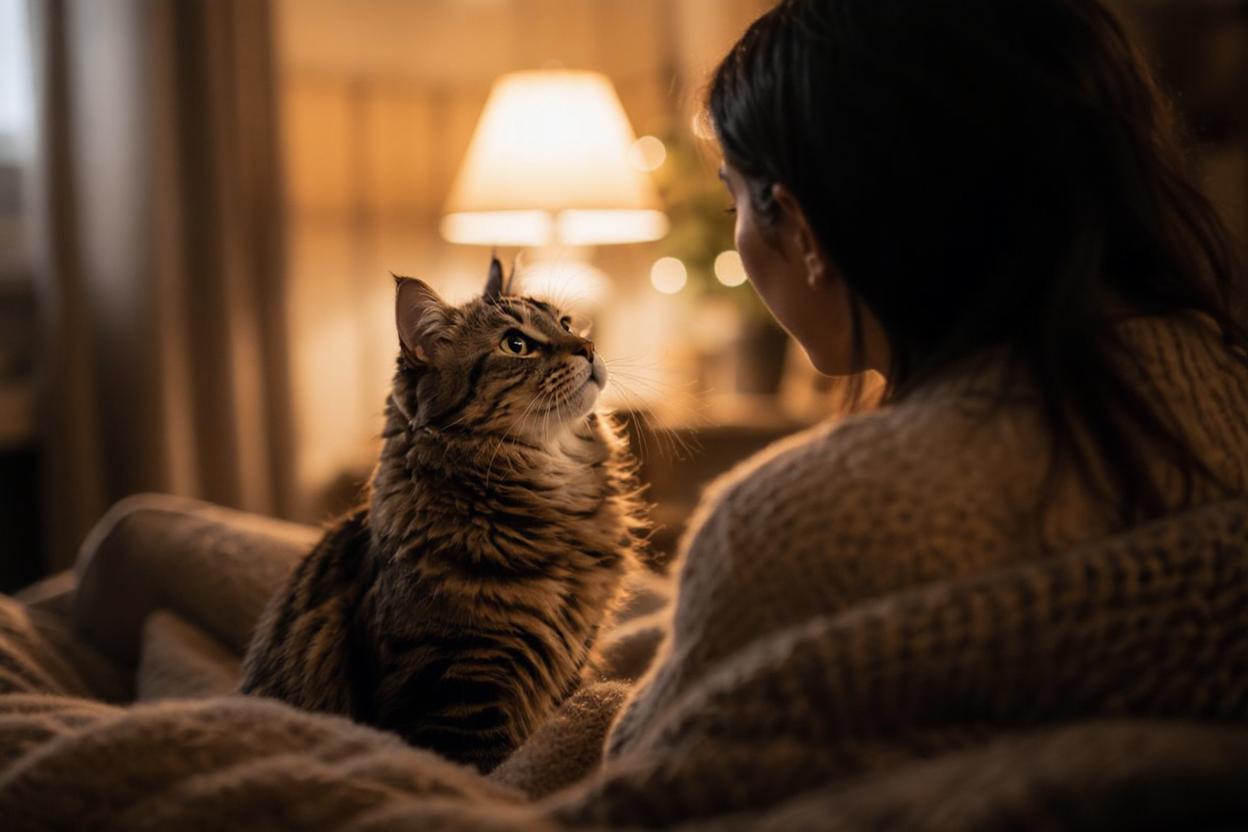
Cats also remember social signals well. A study by Atsuko Saito and Kazutaka Shinozuka showed that domestic cats can distinguish their owner’s voice from the voices of strangers.
At the same time, they do not always respond actively: a cat may recognize the voice but choose not to come closer or meow in response. This is an important distinction between “not understanding” and “not feeling the need to react.”
Later, Saito’s research group showed that cats can distinguish their own names from other words. This supports the idea that feline memory often reveals itself not through obedience, but through subtle reactions – ear movements, a turn of the head, or a shift in attention.
Memory for Events: Cats Remember “What” and “Where”
It is especially interesting that cats show signs of memory for events. In a study by Saho Takagi and colleagues, cats were allowed to explore containers with food. After a delay, the researchers tested whether the cats could use information about “what” had happened and “where” it had happened.
The results showed that cats were able to retrieve incidentally encoded information from a single past experience. This does not prove that cats remember the past in the same way humans do, but it does point to an element of so-called episodic-like memory: the animal can remember not only a place, but also the content of an event.
Spatial and Social-Spatial Memory
Another strong example is social-spatial memory. In a 2021 study by Takagi and colleagues, cats heard their owner’s voice coming from different locations. When the voice unexpectedly “moved” in space, the cats showed signs of surprise.
The authors concluded that cats can form a mental representation of their owner’s location, even when the person is out of sight. In simple terms, a cat does not merely hear a familiar voice – it connects that voice with a specific person and an expected place.
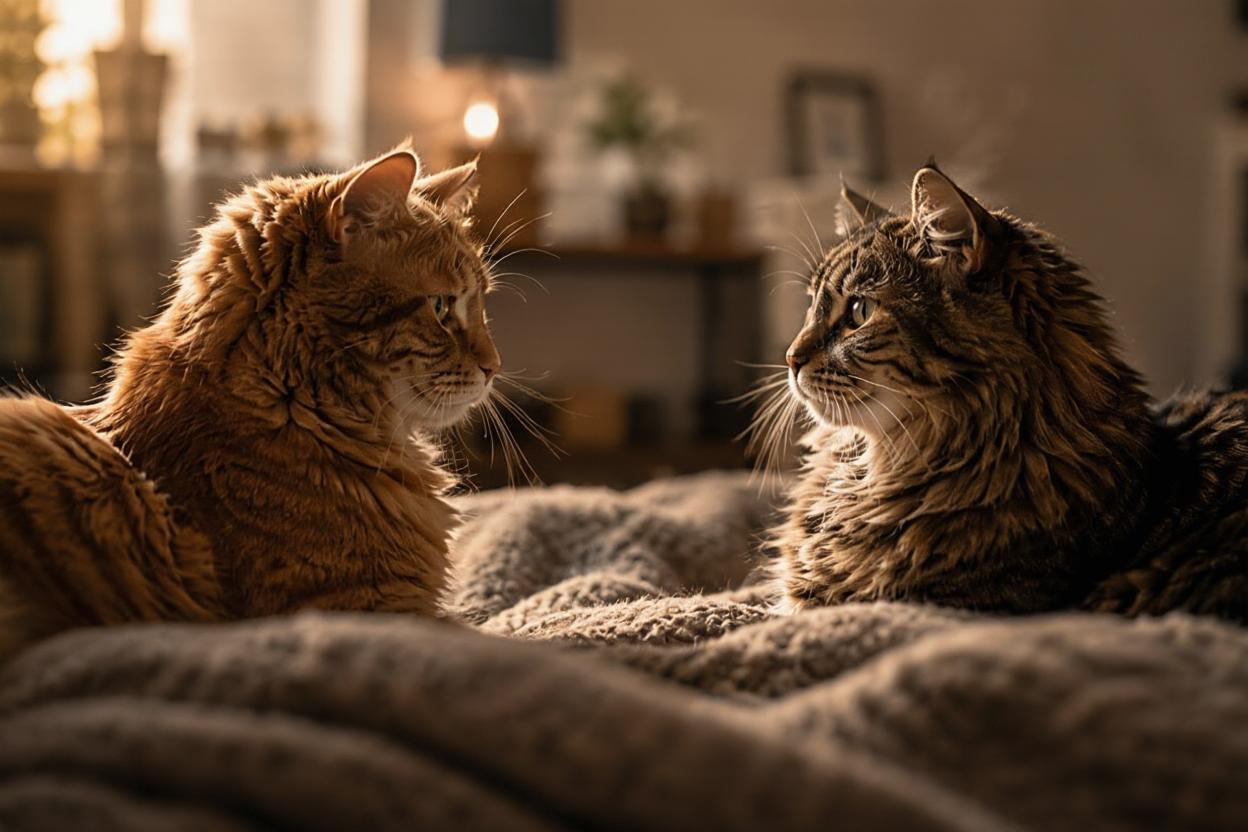
Cats may also remember associations between names and faces of other animals. A 2022 study showed that domestic cats living with other cats could associate the name of a familiar cat with its image. This is especially interesting for multi-cat households: animals may know more about their housemates than we tend to assume.
The Memory That Makes a House Feel Like Home
At the same time, it is important not to romanticize the data. Science still cannot say exactly how many years a cat remembers a particular person, home, or event. Much depends on the emotional significance of the experience, repetition, smells, voices, places, and the animal’s condition.
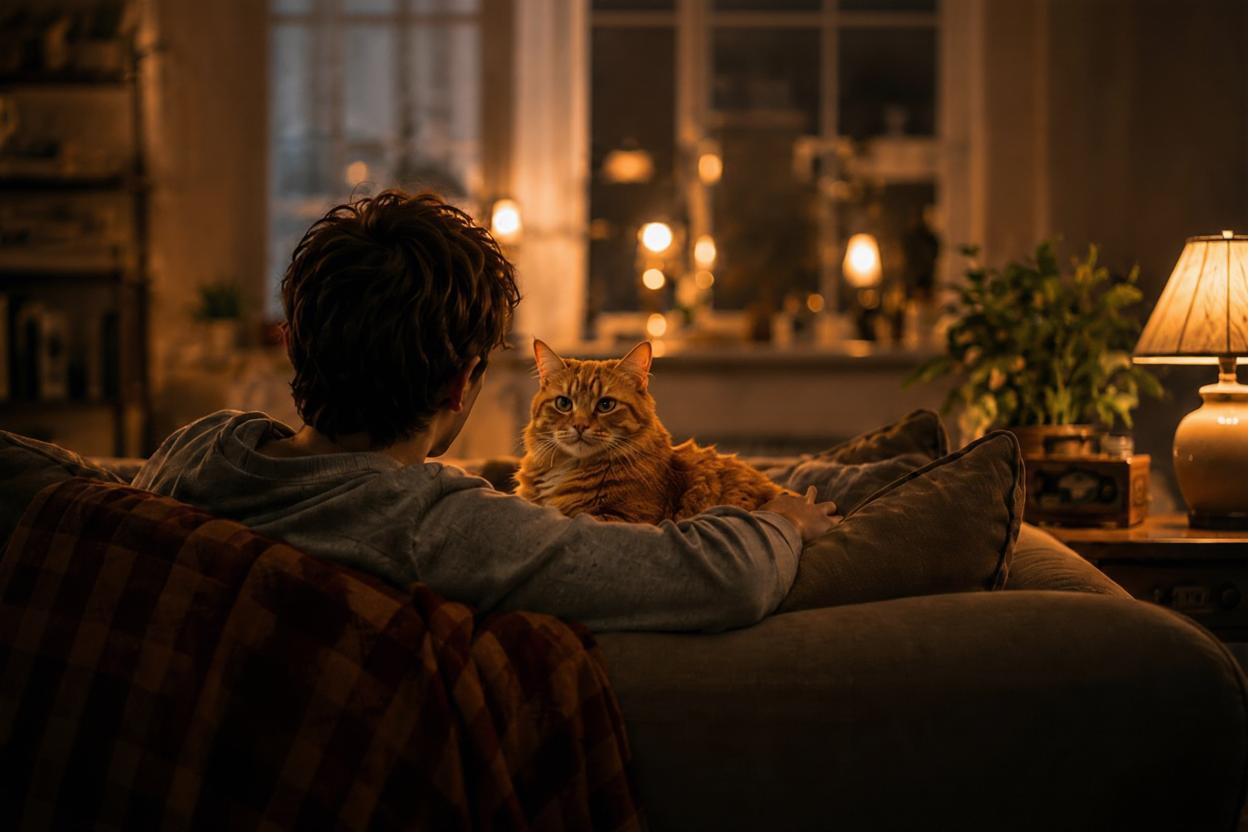
Even so, everyday observations fit well with the scientific picture. A cat remembers routes, habits, sounds, tones of voice, favorite resting places, safe people, and situations to avoid. Its memory does not necessarily resemble a human story built from dates and words. It is more likely a network of smells, places, bodily sensations, repeated rituals, and emotional traces.
So when a cat lies down in the same spot by the window, comes running at the sound of a familiar cup, or recognizes a person after a long separation, this is not just a random habit. It is memory at work – quiet, not always demonstrative, but very much alive.
And perhaps this is why cats become such a lasting part of family history: they remember home in their own way, and home begins to remember them.